HBOโs theย Watchmenย takes place in the sameย alternateย reality as the Watchmen comicย bookย series–meaningย that in this universe, a giant squid from another dimension has fallen from the sky and killed millions with a psychic blastย or thatย another worldly figure with unknowable power lives on Mars, guarding and the people on Earth.ย However, alongsideย all of these typical superhero universe realities, racism still exists.ย The TV series takes place 34 years after the initial story laid out in the comics,ย but in Tulsa, Oklahoma, where echoes of the 1921 Race Massacre has left the city with fever-pitch racial tensions.ย ย In 1921,ย Tulsa was home to what was known as one of few, but possibly the most developed and prosperousย ofย the โBlack Wall Streetsโ in America. It was also the site of one of the worst acts of racial violence in our countryโs history. Theย riots were prompted by the unlawful arrest of Dick Rowland,ย a Black man accusedย of assaultingย aย Whiteย woman named Sarahย Page.ย Followingย rumorsย that Rowland had been lynched rather than given a fairย trial, aย series of gun fights, mobย lynching’s, fires and even law enforcement dropping bombs onto black homes and businesses, lead to 800 people to be hospitalized and an estimated 300ย deaths.ย Watchmenย opens with scenes of thisย massacre.ย Inย the alternativeย universeย of this show, black people in Tulsa receive government issued reparations for what happened to their ancestors through D.N.A testing. The tensions escalate as a result of the white people in the town believing that black people are receiving handouts from the government, but they also refuse to acknowledge the possibility that their ancestors were complacent in the tragedy that was the race massacre. This leads to the rise of a white supremacists group called the Seventhย Kavalry.ย They have begun to attack the Tulsa Police via home invasion and murder, believingย theirย groupย have been victims of racial violence themselves and are not getting justice.ย ย ย Because of this, police officers have been instructed by law to conceal their identities by wearing masks over their faces as part of their uniforms. Along with their masks it is also unlawful for them to use their guns without callingย inย theirย intention to use their weaponย firstย and only have access to the weapon when their gun has been remotely unlocked. When Angelaย Abarย (Regina King), a detective receives news that her close friend has been killed by the Seventhย Kavalry, she begins to investigate.ย ย There is muchย to unpackย with this show, but I think it is one of the most important shows inย this Rennaissanceย era of television and cinema.ย It seems that in mostย superheroย stories, black superheroes never have to worry about saving the world and also being killed by a police officer. Butย Watchmenย addressed this matter when it absolutely did not have to. For example,ย when Iย go into the theater to watchย The Avengersย it is sometimes difficult to suspend myย understanding ofย realityย and believe wholeheartedly for two hours thatย Black characters in these movies exist in a world where their only worry is aliens from outerย space… It was not the responsibility ofย Creatorย Damon Lindelof to write a show so heavily focused on racial tensions in America.ย Heย hiredย Black writers and consultants including celebrated playwright Branden Jacobย Jenkins.ย ย Mostย importantly, whileย I understand that superhero-centric programing is usually an escape for most people;ย itย is also a very popular genre that can reach audiences who might not otherwiseย pursueย historical content on their ownย Watchmenย forces audiences who may not typically watchย Black stories to consume thisย historyย In this universe, you cannot separate the protagonistย Angelaย Abarย from her blackness because everything around her enforcesย that blackness.ย Asย funย as it is to see Regina King in a black cape and mask fighting evildoers who want her dead, the evildoers are white supremacistsโjust as some evildoers are in the real and present world. While there are giant psychic squids from space, theย showย stillย takes place is America.ย ย
TV Review: “Watchmen”Catherine Graham
HollywoodโIn this Netflix limited series a cast of fictional and real-life characters come together during the Golden Age of Hollywood to realize their dreams in the motion picture industry. Set, in the late 1940s the series follows several story lines including that of directors, writers and actors of color and in the LGBTQ community as they struggle to find their footing in systemically racist world of the silver screen. While the series does an excellent job outlining the issues that BIPOC, LGBTQ people and women faced, I found the license taken with historic events disturbingโespecially when real individuals were placed in fictional situations or their well-documented real-world motivations were rewritten for the purposes of the show. One example is the manner in which the show treated Rock Hudson (Jake Pickings) whoseย homosexuality wasย an open secret in Hollywood that the studios strove to hide for the purpose of his mainstream appeal. Inย Hollywoodย Hudson, not only takes the step of revealing his sexuality publicly but also his relationship with his boyfriend, Black screenwriter, Archie Coleman (Jeremy Pope.) They reveal their relationship on the red carpet of the Academy Awards by holding hands in front of the camerasโto the boos and hisses of some of the paparazzi, yet they persevere. As an historian I found this idealized view troubling. If only social reprobation was all that an inter-racial couple would have faced but the truth is more grim– both men would have faced arrest and jail time for public indecency, sodomy and anti-miscegenation based on the anti-gay and racist laws at the time.ย Throughout the film, bold idealizations of what could have been or should have been imply that change was only a matter of personal willingness to change by those involved, ignoring hundreds of years of legalized and institutionalized racism, bias and oppression that attached real and lasting punishment. Still,ย Hollywoodย is worth watching especially for vintage car and clothing buffs. Even the filming has a beautiful golden glow that subtly reinforces the idea of Hollywood royalty and a gilded, though imaginary world. Of particular now is Dylan McDermottโs portrayalย of Ernieย West, the proprietor of the Golden Tip gas station that โservicesโ Hollywoodโs elite in their various sexual desires and offers a jumping off ground for young and broke hopefuls. West is based on aย real-lifeย person Scotty Bowers, a male madam who died last year at the age of 96 and whose exploits are still the stuff of silver screenย scandal.
For one, we know that this dreadful virus has put our routines and expectations for 2020 on hold. Our priorities have been readjusted and aligned with Maslowโs hierarchy of needs as the virus has taken so much away- a staggering loss of life we have not seen in our history in such a short period of time. It caught us off guard and we were stunned by its brutal force while being forced into quarantine for as long as the government directed us. In the meantime, they readied tests, ventilators, PPEs and made seemingly daily legislative orders which were implemented with the aim of mitigating both the spread and impact of this virus. We know and are actually experiencing our belief in real time- as each day we are closer to Covid-19 becoming a tragic bookmark in history when we say, “Remember in 2020 whenโฆ.” And while we will never be able to regain all that was taken from us, it seems that we are prepared to do whatever is needed to ensure that we are not impacted in the same way again. In fact, as a nation, weโve done a respectable job of doing this as the closest comparison of such a plague would be found in 1918. Whereas, we have had a major protest regarding race relations and societal injustices just about every other year going back to 2010. We seem to be far more efficient and effective at implementing lessons learned from a disease outbreak than those outbreaks of unrest based in societal injustices (and weโve only created one of the two). Lesson #1
The outpouring of support for our healthcare workers, rightfully so, designating them as heroes and the constant flood of images projecting caring individuals and positive uplifting tweets is something you could not escape in the past 10 weeks. This truly unique experience, well when I was growing up on St. Croix, everyone would shelter in place during a hurricane for days- without electricity, but other than that, I cannot think of another time in the past 44 years where every American had to do the same things at the same time, for anywhere near this length of time and for the same reason. Other than the state and location of your dwelling, there was complete inclusion in how we had to behave on a day to day basis. We were similarly situated in our existence and dare I say bonded by this. The constant reminders and feelings of when this is over we will so cherish our time together and treat everyone with a high degree of respect and decorum warranted by our fellow man/woman/child. Indeed. Just to get out in the sun again or gather at a restaurant. โMom, if you get me the Nintendo/Playstation/iPhone, Iโll never ask for anything againโ. Ever. Yep, that seemed to capture the mood of this country as โphasesโ were inserted into our lexicon. Well, only days into our reopening we had plenty of quick and vivid reminders that the pandemic might have changed our lives during the past 10 weeks but some of our beliefs, feelings, and prejudices seemed to return as quickly as, well a reflex. Almost like it never really left us at all. In fact, what is endemic in our society will always eclipse a pandemic(again, weโre only responsible for creating one of the two). Lesson #2
We were distracted for a good part of this pandemic with the blame game of the origins of Covid-19 and the national and local critiques around levels of reactions/preparedness. However; during this political football game, we heard little from actual chemists or biotech companies but we are all very confident in our belief that a vaccine will be developed sooner than it takes for most viruses. Many would guess by this time next year for sure. In fact, raise your hand if you would be shocked if we are forced into distance learning on March 11, 2025 due to Covid-19?
Well, we did our part in “flattening the curve”, the summer weather will help out and even though a second wave is on the horizon, we will either have a vaccine or we can always quarantine for at least 8 weeks right? Weโve basically done 10 and we know it’s temporary. So it is possible that we could eradicate a virus, the likes of which we haven’t seen in a century, that we have known for a mere four months within four years. A virus- the explanation of its intricacies and functions is something that is reserved for a select group of individuals who traffic in the upper levels of the medical and science fields for the most part, but we are all somehow clear on what our collective action needs to be in order to โflatten the curveโ and combat its spread. Hmm. Lesson #3
Every single one of us knows what it is like to be made to feel less than by another person. We all know how to find the identifying traits of people, to then attribute sameness as itโs easier to group them in that manner, and finally to attach with intent to harm or not but at least know the terms ascribed to a group of people that if acted on, would make them feel, well, less than. In terms of race, that started here in 1619. What do we do today to โflatten the curveโ when it comes to race relations in our country? Itโs a problem thatโs existed in our country for over four hundred years. Well, we have to identify the basic actions and techniques we will all have to enact to flatten this curve. Since we have all done our part recently to flatten the curve- a phrase we werenโt familiar with prior to March- and did so religiously whether we were symptomatic or asymptomatic, why are we choosing to instead come out of quarantine and immediately remind everyone that the insidious feelings associated with discrimination should be primed for a spike? โFlattening the curveโ, was a lesson in creating and retraining our brains by practicing methods to form new habits-well over 30 days-in order to cope with a dangerous situation. A situation where you would not know simply by looking at someone whether or not they are infected. But we did it. For our part, when it comes to the treatment of people, wouldn’t making sure that you treat everyone with respect and not dance on the line of whether or not I could be offending them, be a way to flatten this curve? That is erring on the side of caution or I should use the reinvigorated term of, with an abundance of caution I will follow practices I have listened to, learned and heard so as to not place myself or anyone else in jeopardy. During the pandemic, we did a lot of listening without judging and certainly without prejudging. Well, we did at first, remember- โThis is just the flu.โ, oops. However, when you see the actions of people in extreme pain and justifiably angry but now coming together with a diversity in the protests we havenโt seen since the 60โs, I certainly donโt remember this representation during the turbulent 90โs, across this country, it gives us hope. Hope is something that is at an all time high right now, in terms of the pandemic but at its nadir in terms of our views of justice and a peaceful coexistence as a nation. Hmm. Maybe we need to, come together regardless of background, listen to and hear one another and not judge- with some hope sprinkled in, you know, like we did for Covid. Lesson #4
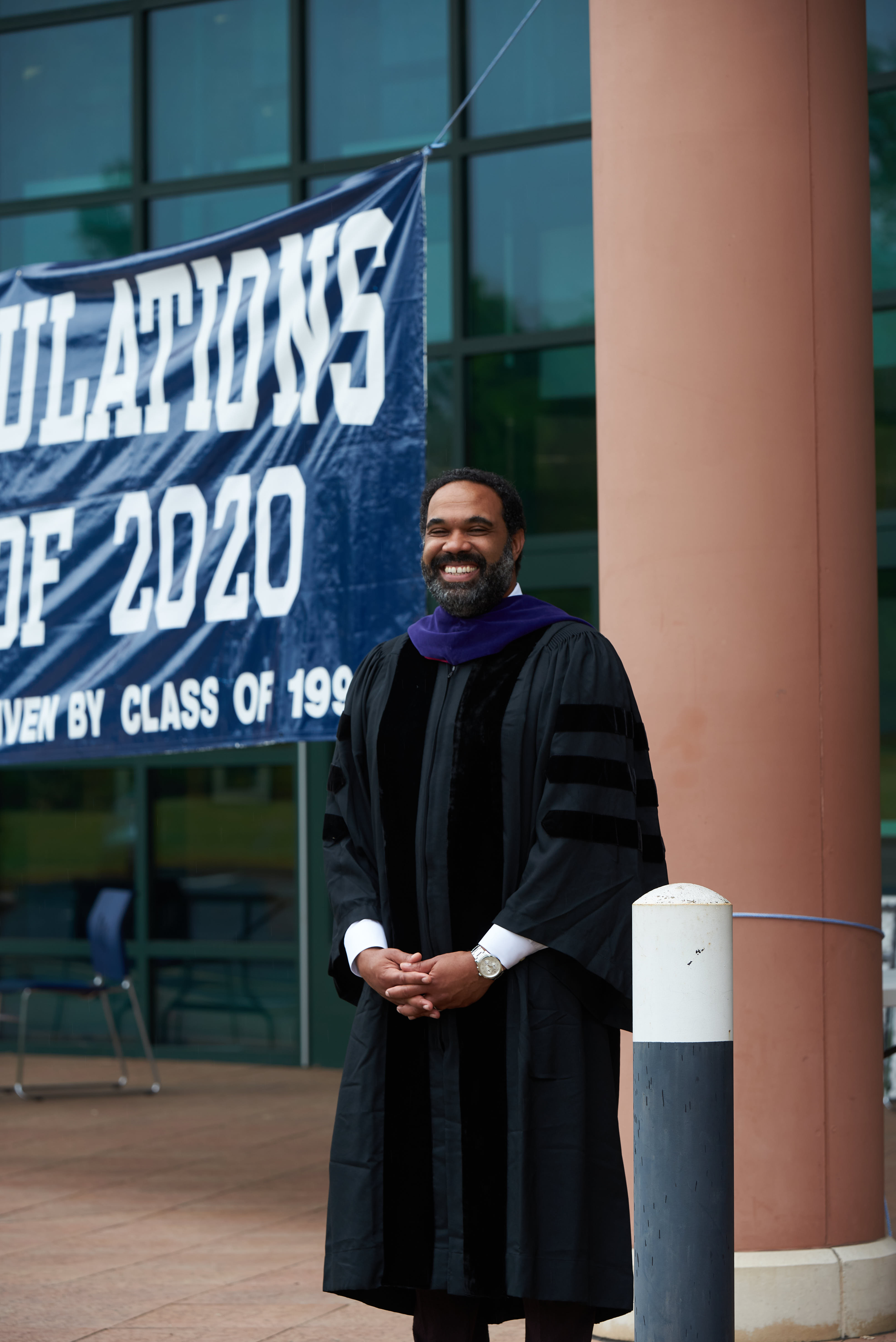
No more lessons. I am 44 years old. I am a black man. Iโm actually fifty percent Italian but I learned very early on that to try and explain that to someone based on my appearance would take longer to do than writing this letter every time and itโs not worth it. I am proud to identify as a black man so Iโve come to terms with that minor detail which is unique to our history. But I do not know what to make of what I am seeing every night. I cannot lecture you on what is happening or why or how anyone should feel. The images that made me the most fearful-they were not the worst or most graphic and I am not attempting to rank each of the horrific images or stories we have borne witness to recently, regarding the tragic murders of Ahmaud Arbery, Breonna Taylor and George Floyd. You see, sadly I have seen horrific incidents very similar to these just about every year spanning decades. However; what I have not seen and what was additionally upsetting to me was the March 26th โPlease, put your dog on a leash; – Iโm going to call the police and tell them there is an African American man threatening my lifeโ, incident in Central Park; coupled with so many divisive and forceful comments being carelessly aired for consumption in a country that is severely injured and already divided. Where does it stop? It just seemed to be some next level act of aggression committed by a citizen in a somewhat casual manner and a great deal of talk about using force by our government officials, to which I felt powerless or perhaps unfamiliar with these vivid exhibits of power plays I guess is the best way to describe them, in my life experiences. It is okay to be confused, angry and afraid, all at once sometimes, and not know what to do. However; we cannot remain in this state; paralyzed or indifferent, hoping it will go away. We do that, and weโll be right back here again, claiming as I have heard many times, statements that racism ended once Obama was elected. We’ve been there and here already folks and we must know at a minimum, at the very least, what not to do(do no harm), then what we can do to bring about change and ultimately what we need to do in order lead a group or community or even a nation out of this quagmire. Kind of like what we are doing now as we try to diffuse this pandemic.
You see, in my first year here at Staples, we had uncovered or more accurately, it was brought to my attention some areas that were in need of improvement. Work that needed to be done by our school community. We identified the work that needs to be done around including students of color but not limited to as other groups shared the common feeling of being disenfranchised. We were working on the roll out of our Diversity Month events when the pandemic hit. Upon our return we will certainly be ready to address what we were getting started on. Flattening the curve and working towards creating a healthy and safe environment for all of our students. All of them. Perhaps the lessons learned from our time away, is that we were forced to see- no distractions or sporting events, movies or shows- the need for all of us to take responsibility, to identify our individual bias, we all have them to then listen to what can hurt or harm and with an abundance of caution, choose to do no harm, flatten the curve or lead the way to make sure that all aspects of our school are free from injustices present at our level-the vaccine of sorts. There is so much right with this country and there is even more right with Staples, but we need to get to a point where when an issue is revealed that can negatively impact us as a people, we feel the immediate need to collectively take action to eradicate the issue. Kind of like what โฆโฆ.
One final statement, I hope we have all had the time to reflect on life a bit lately and realize that life is precious. It is also hard enough on its own simply because there is so much that is out of our control, as we donโt know when the next virus will appear for example. But what about that which is in our control. Letโs take control and make up for the time we lost with each other in a fashion where we go to school each day with a goal in mind. Kind of like what the teams of scientists around the world do every day in pursuit of a common goal which will make all of our lives better.
With a heavy heart and a ton of hope,
—
Stafford W. Thomas, Jr. JD
Principal
Explore More of “Westport In Focus”
To read more of the museums long lens oral histories please visit the Westport In Focus page.
Rowan and Martin’sย Laugh-inย is a skit comedy show that aired in the late 60โs and early 70โs,ย known for its unconventional pacing and humor, as well as its commentary of current topics and politics. The Vietnam War and Nixon Administrationย wasย a favorite target.ย Even now, more than 50ย years laterย than first airingย in someย instances,ย I found the jokes to be incredibly entertaining, and was able to see several humorousย performersย โsome of whose acts we might consider eccentric or odd today.ย One example was Tiny Tim, a ukulele player who sang songs like โTip Toeย Throughย the Tulipsโย in an incredibly highย falsetto.ย Theย show featuredย different musical guestsย withย up-and-coming performersย of the dayย each episode, keeping the audience on its toes and exposing them to new personalities every time.ย ย Naturally due to the age and controversial nature of the show, some jokes didnโt ageย wellโparticularly those with sexist or racistย overtones. However, if you are looking for a โgroovyโ throwback or want a glimpse into pop-culture of the past, andย are able to historically contextualize the content, I would definitely recommend giving theย Laugh-inย a watch.
TV Review: “Laugh-In”Bennet Staffa, WMโs Staples High School Internย
Mary Beard’s bookย SPQR: A History of Ancient Romeย takes a new critical look at what she calls “the first Roman millennium”, the one thousand years after the supposed founding of the eternal city in the 8th Century BCE.ย (SPQR is anย abbreviationย for the Latinย phraseย Senฤtusย Populusqueย Rลmฤnusย which refers to the ancient Roman republic.)ย Through examining and evaluating the bias of the written record of the Roman Republic and Empire during that period, combined with analysis of archaeological evidence, Beard reveals that much of what we believed to be true about the Romans may be more nuanced that it appears. The book is slightly more advanced scholarly work, and is not the best place to start for people just beginning to learn about the history of Rome, but for readers with a little background already, it’s a highly recommended read.
Book Review: “SPQR: A History of Ancient Rome”Nick Foster
America: The Story of Us,ย isย aย 12-partย mini-seriesย discusses American history from Jamestown to Present Day,ย each episode focusing on a certain event or time period. Although I found the series to be incredibly entertaining, at times theย historicalย analysisย could be cursory and folklore occasionallyย supplantedย fact.ย ย Though the series highlights major events in American history, I found the omission of certain historical incidents to be jarringย andย for a series that aims to tell the story of America, the missing pieces seemed too large to be ignored. For instance, the series progresses straight from Jamestown to the beginning of the Americanย Revolution without any mention of the 7 Yearsโ War or conflicts between Colonists and Native Tribes, all of which are key in contextualizing and understanding the American story.ย Additionally, I found,ย at times,ย that, for the sake of audience enjoyment, the series used commonly acceptedย legendsย ratherย thanย verified factsย though these were mostly small incidents. One that comes to mind is the portrayal of Paul Revereโs Midnight Ride,ย depictedย as itย occurredย in Henry Wadsworth Longfellowโs 1860 poem about the ride, which, although being inaccurate, hasย becomeย the standard go-to for students seeking to understand that event. Everyone โknowsโ that Paul Revere rode alone,ย when in reality, he rode with a group of Patriots, quietly attempting to warn Colonists that โThe Regulars are coming out.โย In actual fact,ย Revereย never completed his rounds having beenย eventually detainedย byย a British patrol. (As an aside, thoseย interestedย in a local success storyย about aย midnightย riderย mustering the localย militia, should read about teenager Sybilย Ludington’sย ride during the Britishย raid on Danbury in 1777)ย ย While the showย is worth a watch if you are interested in getting an overview of major events in U.S. history,ย delivered in an engaging andย narrative manner,ย Iย wouldย warn that there is a lot ofย unexploredย history, and you should not take it as the last word for historical fact.
Mini-series Review: “America: The story of Us”Bennet Staffa, WMโs Staples High School Internย
Huluโs newlyย availableย mini-seriesย The Greatย is aย comedic whirlwindย meant for mature,ย modernย audiences. Weaving a mixture of beautiful palaces,ย bizarreย court practices and plenty of sex,ย the series is vaguelyย based on the marriage betweenย Princess Sophie of Anhalt-Zerbstโwho would change her name to Catherine and title herselfย โthe Greatโย after her coronationโand Peterย Duke of Holstein-Gottorp, later to become Peter III, Emperorย of Russia for a mere six months.ย The series accelerates andย distortsย the timeline of their marriage and eventual rise of the Empressย to the detriment of her husband, but toย the productionโsย credit,ย acceptsย that the events theyย depict are heavily modifiedย through the use of cleverย asterisks. In watchingย The Great,ย audiences should appreciate the comedic telling with theย knowledgeย thatย events as depictedย ย did notย happen in real-life. Hopefully, the lush and exciting series will inspire audiences toย delve deeperย intoย theย true, and equallyย entertaining, life ofย Empress Catherine IIย of RussiaโCatherine, The Great.
Catherine M. Wedmore is a 56 foot wooden oyster boat built in in West Mystic, Connecticut in 1924. This 96 year old lady still works daily harvesting oysters from Norwalk to Westport for Norm Bloom & Son/Copps Island Oysters. You can often spot her year-round from the shores of Compo Beach.
My family turned a dreary quarantine Saturday into a day full of 1920’s roar with Gatsby!โฏ Our two sophomores had just finished reading F. Scott Fitzgerald’s 1925 novel,ย The Great Gatsbyย for their English class and decided to compare and contrast the book to the films produced in 1974 (starring Robert Redford and Mia Farrow) and 2013 (starring Leonardo DiCaprio & Carey Mulligan). The whole family ended up getting into it, especially knowing that F. Scott and his wife, Zelda spent the summer of 1920 in our town.โฏThey stayed at theโฏcottage located at the right entrance of Longshore, which was owned then byโฏF.E. Lewis,โฏaโฏlarger-than-life reclusive multi-millionaire.โฏAccording to some historians, F. Scott and Zelda’s time spent at the Westport cottage heavily influenced the setting and opulence of the story.ย ย ย Here is what we thought:ย Both films were very well made at the time they were produced and found it interesting to see how cinematography advanced over 39 years. The 1974 version depicted a more realistic environment and we could imagine Gatsby’s house actually being what we know today as the Inn at Longshore and Nick’s rented cottage being the same house that F. Scott and Zelda had rented next door.โฏThe 2013 version portrayed an over-the-top, fantasized world that takes the imagination beyond what could be possible which we all agreed was what the book intended.โฏย ย All actors in each film gave great performances, however found that the 2013 version depicted the characters more closely to the book.ย Both screen writers definitely took some liberties transferring the book to film, however, this was more apparent in the 1974 version (for example, how Nick doesn’t meet Gatsby at the party). We also noted that the 1974 version captured the relationship between Nick and Jordan better and were a bit disappointed not to seeย Nick’sย land lady make an appearance in either film. We just learned that there are a couple more film adaptations that we are looking forward to watching: a 1926 silent film starring Warner Baxter and Lois Wilson; and a 1949 film starring Alan Ladd and Betty Field.โฏย
Film Review:ย The Great Gatsby (1974 & 2013)Alicia D’Anna
Existentialist French author Albertย Camus’ย Theย Plague, set in the town of Oran, French Algeria,ย a town that has been wracked by pandemic over the its history from the bubonic plague in the 16thย century to multiple cholera epidemics in the authorโs own lifetime. The bookย offers unique insight into a community faced with an epidemic. Despite having been written over 70 years ago,ย The Plagueโฏnear perfectly mirrors the Corona-virus pandemicย exploring themes of individual helplessness among its characters which include people on all sides of the pandemic from a physician and a cleric to officials at varying levels of government to a journalist well-meaning private individualsโall trying to make sense of the overwhelming public health crisis they are currently facing. Quarantine, lock down, and, eventually re-opening are all themes in the bookโbut for some characters, deliverance from the plague comes too late. As youย watchย theย diseaseย spread through the town of Oran, you will see striking parallels between the book and theย worldwideย events of the past few months. An overall great read, Camus’โฏThe Plagueย is a perfectโif soberingโbook to read while in lock-down.
Michael originally hales from Jonesboro, Arkansas andย Sewanee, Tennessee. He spent 4 years in graduate school in New Haven at the Yale School of Drama/Yale School of Management, then took 7 years in California, and returned to Connecticut about 3.5 years ago when he was hired to work at theย Westport Countryย Playhouse. Now living in Trumbull with his wife and young son, he normally commutes to the Playhouse for his work.ย ย
โAlong with Playhouse Artistic Director Mark Lamos, I am the co-CEO of the organization. Mark is primarily responsible for the artistry and mission of the organization, and I’m primarily responsible for the institutional side (and of course there’s often 100% overlap between those areas). I spend a lot of time fundraising (about 50% of our operating expenses come from contributed income) and in the balance of my time I concentrate on the strategic direction of the theater as well as our day-to-day operations.
There is no historical corollary to the devastation that the live performance sector is facing as a result of the COVID-19 pandemic. We went from planning to produce a 5-play season to producing nothing live onstage overnight. That means half of our income, as well as our primary mission expression, disappeared. As has happened in so many small businesses, we determined to furlough our entire crew and about half of our staff. We’re producing online content, mostly items that are about theater or theater performance but no full-scale streaming of plays and musicals (which are, at least at present, financially cost prohibitive). We continue to work in service of our community, but we aren’t designed to be flexible or to do this particular thingโwe’re set up to produce a series of live in-person messy theater performances… which we can’t do until people are willing to gather in groups again. It’s an awful time for theater institutions and theater artists. I read somewhere that more than 90% of theater artists are now unemployed. That will have knock-on and echo effects in our field for decades. I think we’ll be talking about the impact of this pandemic on the American theater for the duration of my career and beyond.
We have to adapt to the moment and prepare for the future, and we’ve started to do that. So much of the field has the disadvantage of being on a year-round season, which means that the pandemic hit right in the middle of their 2019-20 plays and it doesn’t look like we’ll be back to normal in time for the regular kickoff for their 2020-21 seasons in the fall. The Playhouse operates on a bit of an oddball schedule, April to November, because of our prior history as a summer stock theater. So, the timing was, to the extent there is any upside to any of this, better for the Playhouse than for most of our peers. We have given ourselves the gift of remaining in this in-between place (reduced staff, online production, etc.) for almost a full year, and if we can pull it off we will have done so thanks to the generosity of our audiences, donors, and trustees. Many regional theater organizations are desperate to get back into production so they can open a season in October. I know if I thought we had to be back in rehearsal and onstage in front of an audience before Thanksgiving I would be behaving differently, and wouldn’t be thinking about much in the longer term, certainly not as far off as April 2021. I know of a prominent West Coast theater that is trying to create a social-distancing plan for their large space, and determined that they can only fit about 80 people into a 700+-seat theater. And I don’t know of a single public health expert who would say it’s unequivocally a good idea to sit in a confined space for two hours at a stretch, even six feet away from everyone else. And what happens at intermission when the line at the Ladies Room winds across the lobby all the way to the box office? Harvard A.R.T. is working with Harvard’s school of public health to come up with guidelines and logistics for audiences, artists, and production personnel to experience live theater while COVID-19 is still a going concern. There are really smart people trying to make this in-person art form work during a time that experiencing a play live with strangers could mean a death sentence. But at least at the moment, I think most of what will enable us to produce theater in front of live audiences again (or prevent it) will depend on exogenous forces more than anything we can cobble together as organizations or even as a field. Without at least an effective treatment for the virus, and at best a vaccine, we will not be able to return to anything resembling status quo ante.
I’m trying to enjoy the extra time for streaming, reading, and projects around the house. I appreciate the time with my wife and son. In some ways, I feel Mark and I may be in better communication with our trustees than we’ve been at least since I’ve been in the job. But I understand the urgency that so many folks have to get out and participate in normalcy again. Americans hate not having a choice, and I certainly feel some of that tugging on my soul. I would love to see a play in a theater again. I’m tired of screens.ย
I would love to see a play in a theater again. I’m tired of screens.ย
Jim Marpe and his team have done a great job handling this crisis in Westport, and my first selectman Vicki Tesoro and her team have done a great job in Trumbull. I think the biggest difference culturally between Westport and Trumbull with regard to COVID-19 is that Westport had that super spreader event at the party very early on, so the pandemic came home right away. I think it’s why you see the petition asking Jim not to open up the beaches and parks in Westport too soon; people in Westport had early and personal contact with infected people, included people who died of the disease. In Trumbull, I think, on the whole, we may be a smidge closer to the folks you see on television on the Florida beaches, wondering why we all have to stay at home when we don’t even have that many cases in town and many people don’t know anyone who has contracted the virus or died as a result. Shared sacrifice is a really tough thing to ask people to do, and even more difficult to enforce. I think we have to be compassionate towards people who are feeling stressed socially and emotionally while maintaining a fact-based approach to stay-at-home orders and any easing of restrictions.
On a Zoom call early on in the pandemic, one of our most knowledgeable trustees compared the enforcement of restrictions in some states but not in others as “having a peeing section in the swimming pool.” People who live in states like Connecticut that have strict stay-at-home orders and got them in place reasonably quickly are going to feel like we’re being punished while the rest of the country opens up. But the experts say that the second wave will be more significant the more we prematurely open up, and I think we have to believe them. My family and I will certainly continue to avoid large groups and unnecessary trips to stores, etc. until we have reasonable assurances that it’s actually safe.
As much as I hate screens and long for a return to in-person communication, this has been a great excuse to get back in personal touch (outside of a social media environment) with my network of friends nationally and internationally. I watched a streaming play from The Public with a friend from Peru, I caught up on Google Duo with an old pal from Kentucky, I played a board game (poorly) online with some friends from college. I hope that I can carve out time to continue that kind of intentional outreach and conversation even after coronavirus. But certainly, my access to a broad network of friends has been a great help in terms of coping with these unique circumstances.
My greatest hope is that we are reminded of our shared humanity; when we return to some semblance of normalcy, we carry with us a feeling of camaraderie and community that was absent as we all hunkered down in our homes.
My greatest fear is that we liked the way things worked during stay-at-home, or we got used to the way they worked, and we carry that way of working forward in a way that supplants our feeling of shared humanity. I don’t mean that people won’t do more on Zoom post-COVID-19 than they did before (they will) but rather that those meetings will continue to stand in for most of our professional in-person social interactions. Getting stuck on our screens is a real danger, because in so many ways it simplifies logistics. We need to remember why the logistical difficulty of arranging in-person gatherings is worth the trouble.
I am here to remind you why the Playhouse is important. I don’t think of my job as convincing people most of the time; I’m reminding you of something you already know. My mantra is “if the Playhouse did not exist, we would have to build it.” You may not see a performance on our stage until next year, but reach out to us, reach out to me, participate in the programs we’re putting out in the world, support us with a monetary contribution if you can. I will be here when the smoke clears, and I can’t wait until that day when we open the front doors onto the patio in full bloom and invite you back into our sacred space when we can share stories in this very special way again.
Explore More of “Westport In Focus”
To read more of the museums long lens oral histories please visit the Westport In Focus page.
Throughout much of American history, immigrants were encouraged to โassimilateโ to life in the United States, putting aside language, dress and social morรฉs from the โold country.โ Many retained their ethnic foods as visceral links to home. By the 1960s and 70s Americans were expressing a growing interest in world cultures. As part of this movement there was a renewed sense of celebration of Americans of all ethnicities and food was an egalitarian and popular medium to explore these themes.
Time Life publishing produced a series of recipe-based books about world foods, includingย American Cooking: The Melting Potย about the American melting pot featuring the Kowalsky family of WestportโPolish immigrants who were successful farmers and then, later, building contractors.ย
To make 28 pancakesย
Ingredients
1 ยฝ cups all-purpose flour
3 eggs
1 cup milk
1 cup water
1 tablespoon sugar
1 teaspoon salt
12 ounces fruit preserves (cherry, raspberry or strawberry)
1 tablespoon grated lemon rind
5 tablespoons unsalted butter, melted and cooled
Confectionersโ sugar
Directions
To make the pancake batter in an electric blender, combine the flour, eggs, milk, water, sugar and salt in the blender jar and blend them at high speed for a few seconds. Turn off the machine, scrape down the sides of the jar with a rubber spatula, and blend again for 40 seconds.
To make the batter by hand, stir the eggs and milk together, then beat in the flour, water, sugar and salt with a whisk or a rotary or electric beater. Strain the mixture through a fine sieve set over a bowl.
In a small mixing bowl, stir together the fruit preserves and grated lemon rind. Set aside.
Heat a 60 inch crรชpe pan or skillet over high heat until a drop of water flicked onto it evaporates instantly. With a pastry brush, lightly grease the bottom of the pan with about ยฝ teaspoon of the melted butter. Pour 3 tablespoons of batter into the pan and tip the pan so that the batter quickly covers the bottom; the batter should cling to the pan and begin to firm up almost immediately.
Cook the pancake for a minute or so, until a rim of brown shows around the edge. Turn it over with a spatula and cook for another 1 or 2 minutes, or until pancake is lightly browned. When the package is done, spread it with 2 heaping tablespoons of a fruit-preserve filling, roll it loosely into a cylinder, and place it in a baking dish in a 200 degree Fahrenheit oven to keep warm. Repeat the process with the rest of the pancake batter, adding butter to the skillet as needed. Serve the pancakes warm, sprinkled with confectioners’ sugar.